

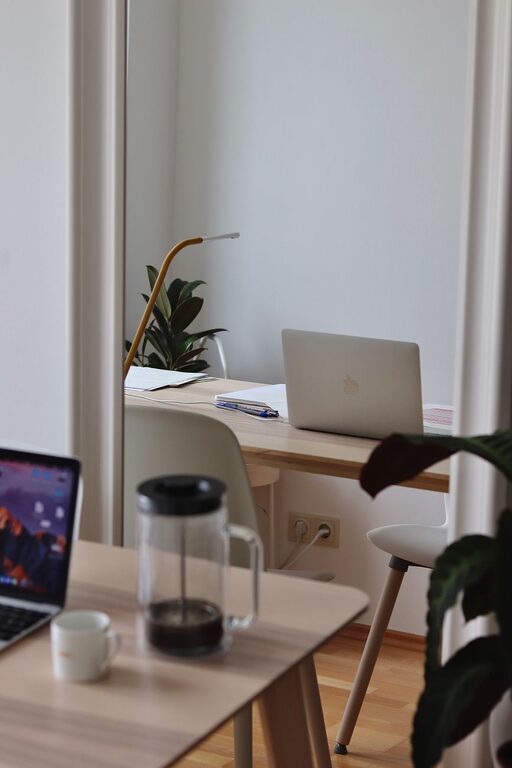
Creating a productive home office environment is essential for anyone working remotely or spending significant time on projects from home. A well-designed workspace can enhance focus, comfort, and efficiency, helping you stay motivated and balanced throughout the day. In this post, we’ll explore practical tips to set up your home office in a way that supports productivity and wellbeing.
Choose the Right Location
Selecting the right spot for your home office is the first step toward creating a productive environment.
– Quiet and private area: Find a space with minimal distractions, away from household noise and foot traffic.
– Natural light: Choose a location near a window if possible. Natural light can boost mood and reduce eye strain.
– Space considerations: Make sure there’s enough room for your desk, chair, and any equipment you need, while allowing comfortable movement.
Invest in Ergonomic Furniture
Comfort plays a big role in how effectively you work.
– Desk: Your desk should be at a comfortable height, allowing your forearms to rest parallel to the floor while typing.
– Chair: Use an ergonomic chair that supports your lower back, promotes good posture, and has adjustable features.
– Keyboard and mouse: Position them so your wrists are straight and your shoulders relaxed.
Proper ergonomics reduce fatigue and the risk of physical strain or injury.
Organize Your Workspace
Clutter can negatively impact focus, so organizing your office is important.
– Declutter regularly: Keep only necessary items on your desk.
– Storage solutions: Use shelves, drawers, or organizers to store supplies and documents.
– Cable management: Use clips or ties to keep cords neat and prevent tangling.
A tidy workspace helps your mind stay clear and prevents distractions.
Optimize Lighting
Good lighting reduces eye strain and enhances concentration.
– Natural light: Maximize daylight but avoid screen glare by positioning your desk perpendicular to windows.
– Task lighting: Use adjustable desk lamps for focused light on documents or keyboard.
– Ambient light: Soft background lighting can reduce contrast and create a comfortable environment.
Adjust lighting throughout the day to match changing natural light conditions.
Minimize Distractions
Creating boundaries can help you maintain focus.
– Set work hours: Define clear start and end times for your workday.
– Use noise-canceling headphones: These can block background noise if you cannot avoid it.
– Create visual cues: Let family members or roommates know when you’re working to limit interruptions.
You can also use apps to block distracting websites during work hours.
Personalize Your Space
A welcoming workspace supports motivation.
– Add plants: Greenery can improve air quality and reduce stress.
– Include inspiring decor: Photos, artwork, or motivational quotes can boost mood.
– Maintain comfort: Adjust room temperature, have a water bottle handy, and keep snacks nearby.
Personal touches make your office a place you want to spend time in.
Establish Healthy Work Habits
A productive environment is as much about behavior as physical setup.
– Take breaks: Use techniques like the Pomodoro method—work for 25 minutes, break for 5.
– Stay active: Incorporate stretches or short walks to reduce stiffness.
– Organize your day: Use to-do lists or digital planners to prioritize tasks.
Healthy habits prevent burnout and keep your productivity consistent.
Leverage Technology Wisely
Technology tools can enhance efficiency but also become distractions if mismanaged.
– Use reliable hardware: Invest in computers and peripherals that meet your work needs.
– Organize digital files: Keep folders and documents well-structured for easy access.
– Utilize productivity apps: Tools for time management, collaboration, and note-taking can streamline work.
Make sure to keep software updated and back up important data regularly.
—
Creating a productive home office environment requires thoughtful consideration of your physical space, habits, and tools. By choosing the right location, investing in ergonomics, organizing intelligently, managing distractions, personalizing your workspace, adopting healthy habits, and using technology effectively, you can build an environment that supports your best work every day.
Remember, your workspace should work for you—feel free to adjust and improve it over time to match your evolving needs.